
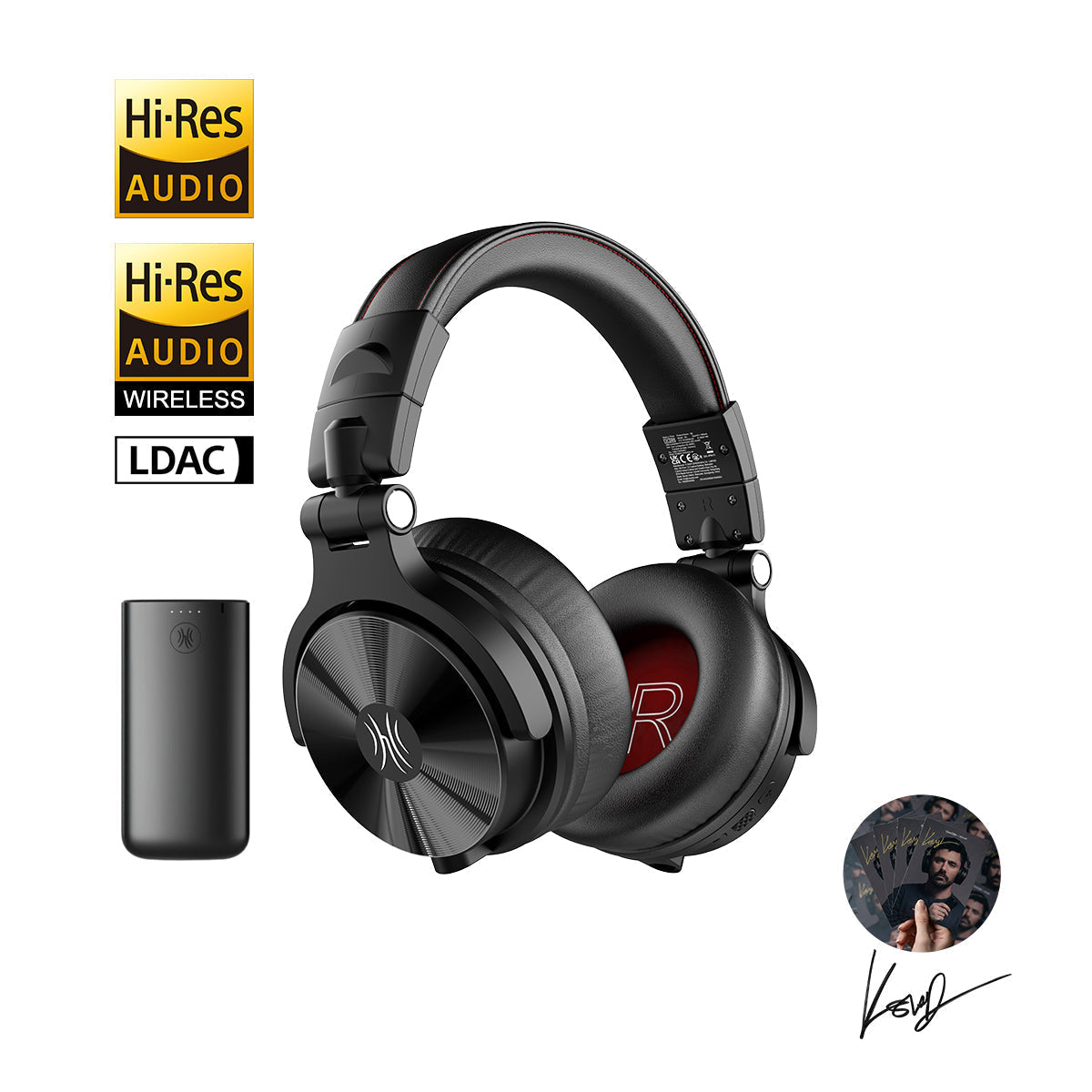
For decades, the coiled cable was a safety net for any pro using low latency wireless studio monitoring equipment.
Music producers and professional DJs once avoided wireless gear. They feared that signal lag would ruin their timing and creative flow.
But things are changing fast in the studio environment. New technology now allows for freedom without sacrificing audio precision.

Standard Bluetooth creates 100ms to 200ms of delay. This makes it impossible to track live vocals or mix instruments accurately.
Older gear like the Studio Max 1 hit 20ms. That was a milestone, but the demand for lower lag grew as digital tech improved.
When searching for local tech support, you expect fast response times. Professional audio gear now demands that same instantaneous speed.
Modern engineers require Ultra-Low Latency Headphones to maintain their rhythm. Speed is the new standard for professional production.
The Physics of Low Latency Wireless Studio Monitoring
In music production, timing is everything. A guitarist needs to hear their pluck at the exact moment the string vibrates under their fingers.
Any delay creates a "disconnect." This break stops the creative flow and makes performance feel unnatural for the artist during a session.

Next-gen tech has rewritten the rules of transmission. The new benchmark is 9 ms ultra-low latency using RapidWill+ 3.0 protocols.
This speed makes transmission feel exactly like a physical cord. The human brain cannot perceive any delay at a 9 ms rate.
Audio pros now rely on instant wireless feedback without signal drop. The system performs at a reference-grade level for all users.
This offers freedom without the limits of a physical cable. You are no longer tethered to a heavy mixing desk or hardware rack.
Finding Headphones for Guitar that lack wires used to be a challenge. Now, players can move freely while hearing every note instantly.
The Evolution of the Wireless Studio Ecosystem
Modern creators are no longer stationary. The industry is shifting toward fluid workflows that span multiple rooms and hardware stations.
Producers want to move from a mixing desk to a synth. They want to guide a vocalist without ripping cables from an expensive interface.
Effective low latency wireless studio monitoring allows this movement. It eliminates the physical barriers found in recording spaces.
 Hardware transmitters now bypass sluggish Bluetooth pipelines. They deliver high-speed audio through dedicated RF signals for better stability.
Devices like the OneOdio Studio Max 2 redefine the field. They preserve pro-grade frequency responses while granting freedom.
High-fidelity sound remains uncompressed. This ensures that every nuance of the recording is clear for the audio engineer and the client.
Engineers no longer choose between mobility and accuracy. The 9 ms standard makes high-speed monitoring a reality for everyone involved.
Consider how a drum kit sounds in a live room. The drummer needs to hear the click track instantly without any phase issues or buzzing.
With new RF technology, the signal travels faster than sound moves through air. This allows technical precision during complex tracking.
For those seeking performance, the Studio Max 2 provides a reliable solution. It bridges the gap between digital speed and analog feel.
Professional mixers can now walk around the room to check acoustics. This was never possible with a short coiled cable attached to a desk.
Signal stability is comparable to high-end networks. It provides a consistent stream that never wavers or drops out during critical takes.
Reliability is the cornerstone of any studio tool. If the gear fails during a session, the performance may be lost forever to time.
Manufacturers have focused on battery life. Long sessions require gear that lasts as long as the creative inspiration does for the artist.
Many pros consider these the Best Valued Headphones for modern setups. They combine professional specs with daily durability and comfort.
The verdict is clear: the future of audio production is wireless. Real-time feedback has officially caught up to elite industry demands.
Tethered setups are now on notice. The ability to track and mix with zero perceived delay changes how we build modern recording studios.
When looking for professional DJ Headphones, mobility is key. Modern performers need to move across the stage or booth without tangles.
Studio owners are removing cable troughs from floors. This reduces trip hazards and creates a much cleaner working environment for guests.
Artists feel more relaxed when they can move naturally. This comfort often leads to better vocal takes and inspired instrumental solos.
Home studio enthusiasts benefit even more. Small spaces get cluttered easily with tangled wires that disrupt the productive mood of the day.
Switching to a system for low latency wireless studio monitoring solves these spatial issues. It allows for a professional setup anywhere.
The price of this technology has become more accessible. Now, independent artists can afford the same tools as major label producers use.
Investing in low latency wireless studio monitoring ensures your gear never limits your potential. Innovation drives the industry forward.
Modern 9 ms technology ensures that technical limits do not dictate choices. Adopting a wireless setup is the final step in cutting the cord.
Professional-grade low latency wireless studio monitoring bridges the gap. As protocols improve, the 9 ms delay becomes the global standard.
Experience the shift in your next recording session. The era of the coiled cable is over. Enjoy the freedom of high-speed audio today.
Ready to experience the wireless revolution yourself? Discover how the OneOdio Studio Max 2 delivers precision for your projects.
Share:
The Wireless Revolution: Why Ultra-Low Latency DJ Headphones are the New Industry Standard